ANTHOLOGY OF A SCREAM

SURPRISE BAG
Concept:
NEST collective (Centa, Habun, Peldová)
Direction and choreography:
Tina Habun
Co-created and performed by:
Urška Centa, Kristýna Peldová
Space and costume design:
Hana Podvršič
Dramaturgy:
Nik Žnidaršič
Music:
Eduardo Raon
Exhibition curatorship:
Hana Podvršič
Installation artists:
Vita Tušek, Mori Sikora, Irena Živković Milosavljević, BRAVO collective (Ana Urbiha, Pika Basaj, Neža Urbiha), KUD Qulenium Ljubljana (Tisa Praprotnik and Viktoria Forte Berlec, Video material: Urška Mori, mentor: Ana Romih)
Production:
NEST Institute
The project is supported by the Ministry of culture RS and the Municipality of Ljubljana.
Premiere date and venue: December 2024, Pionirski Theatre, Ljubljana
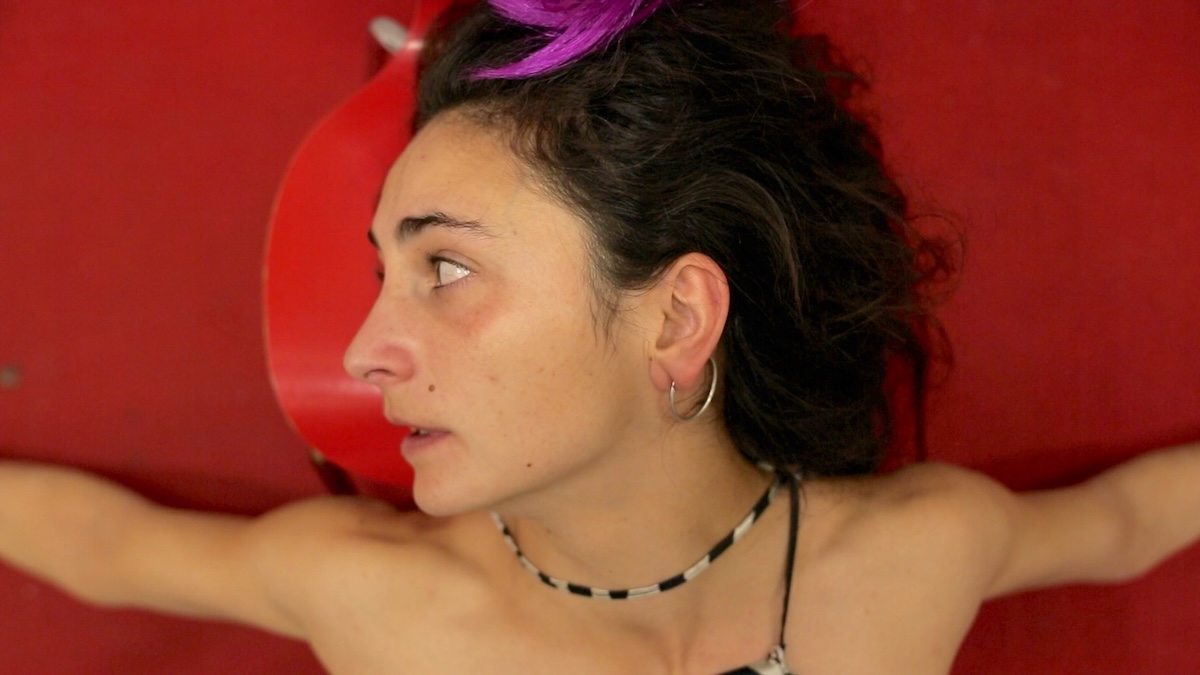
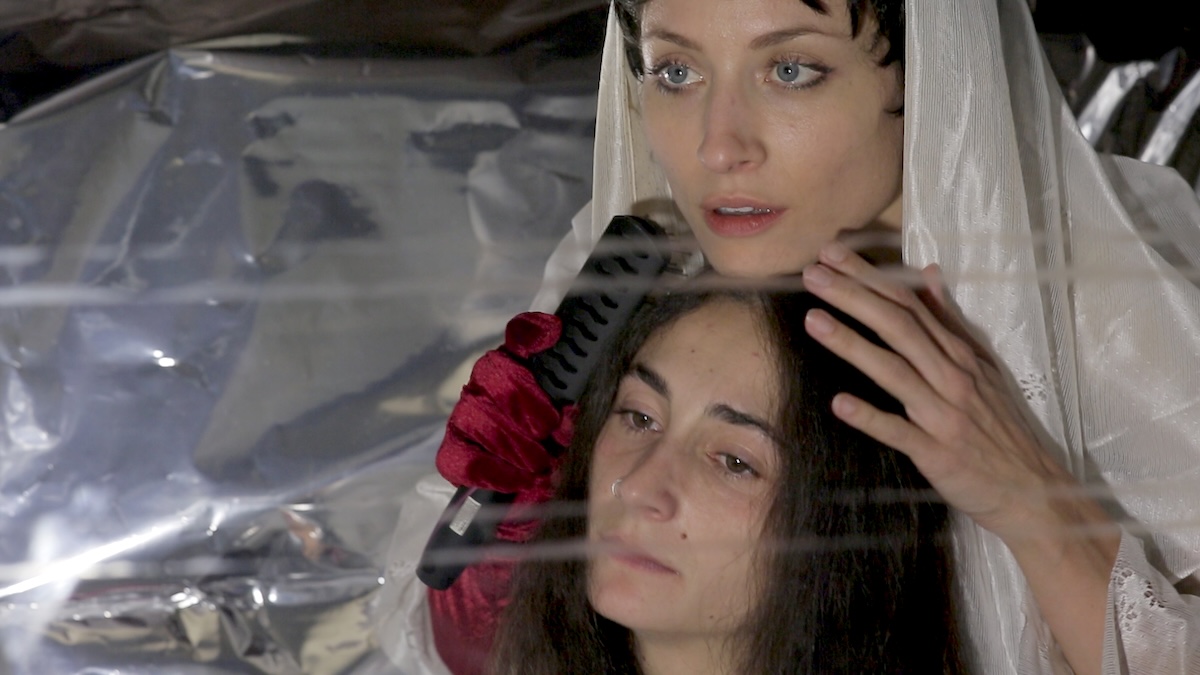
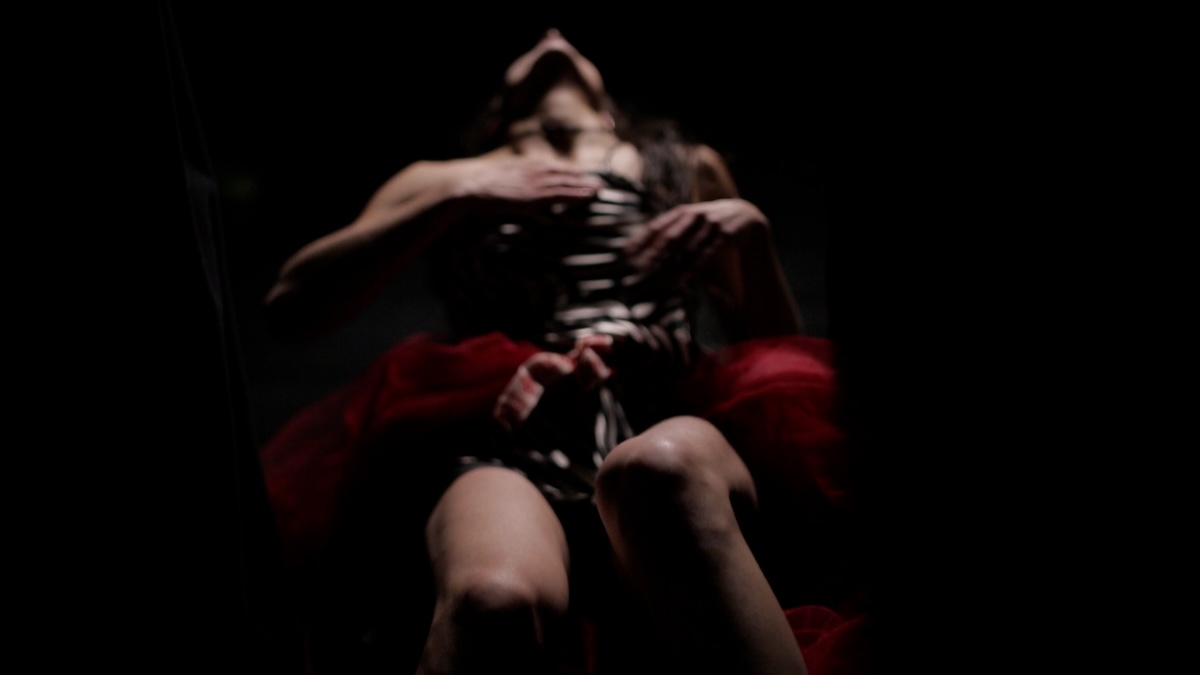
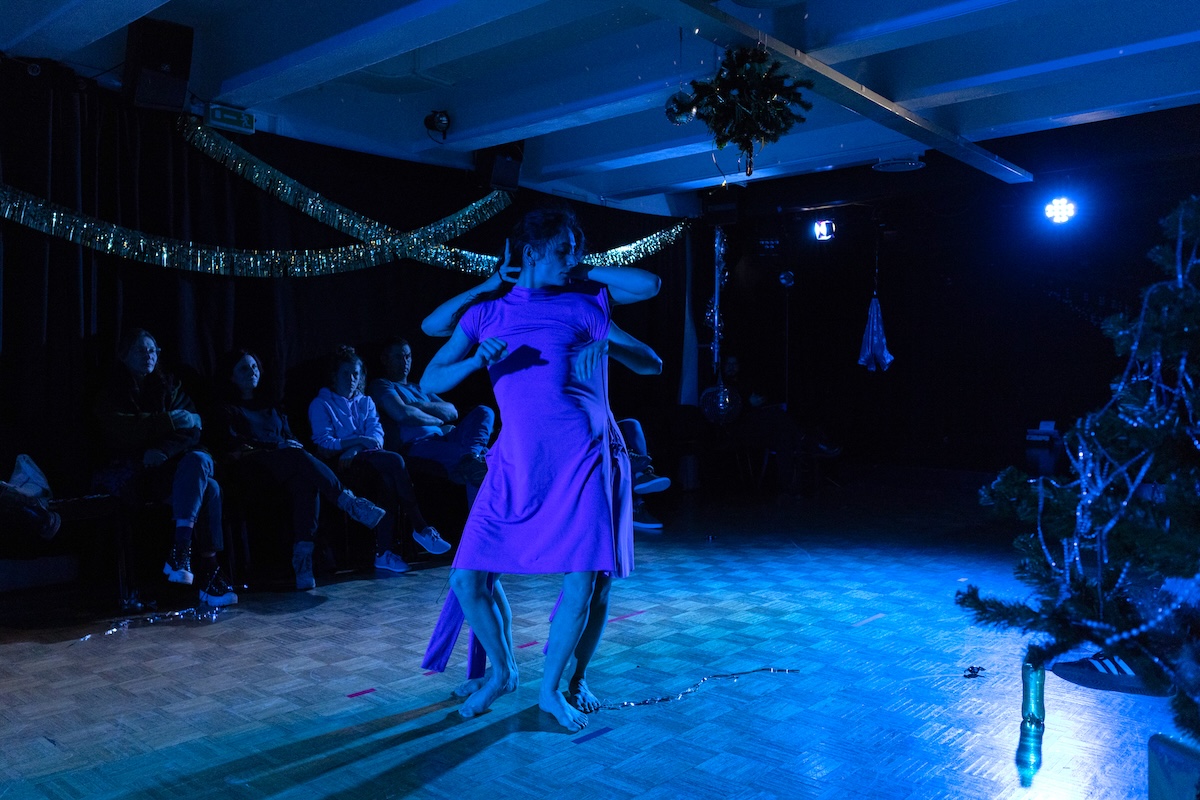
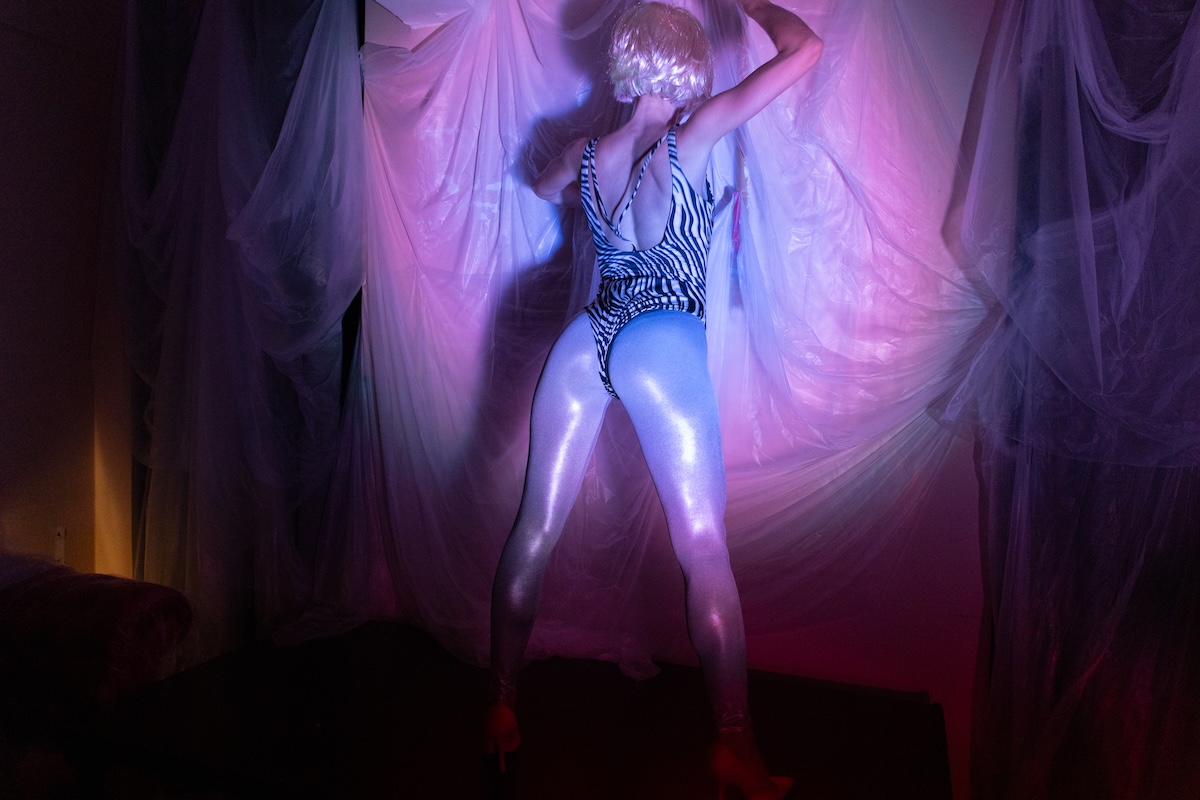
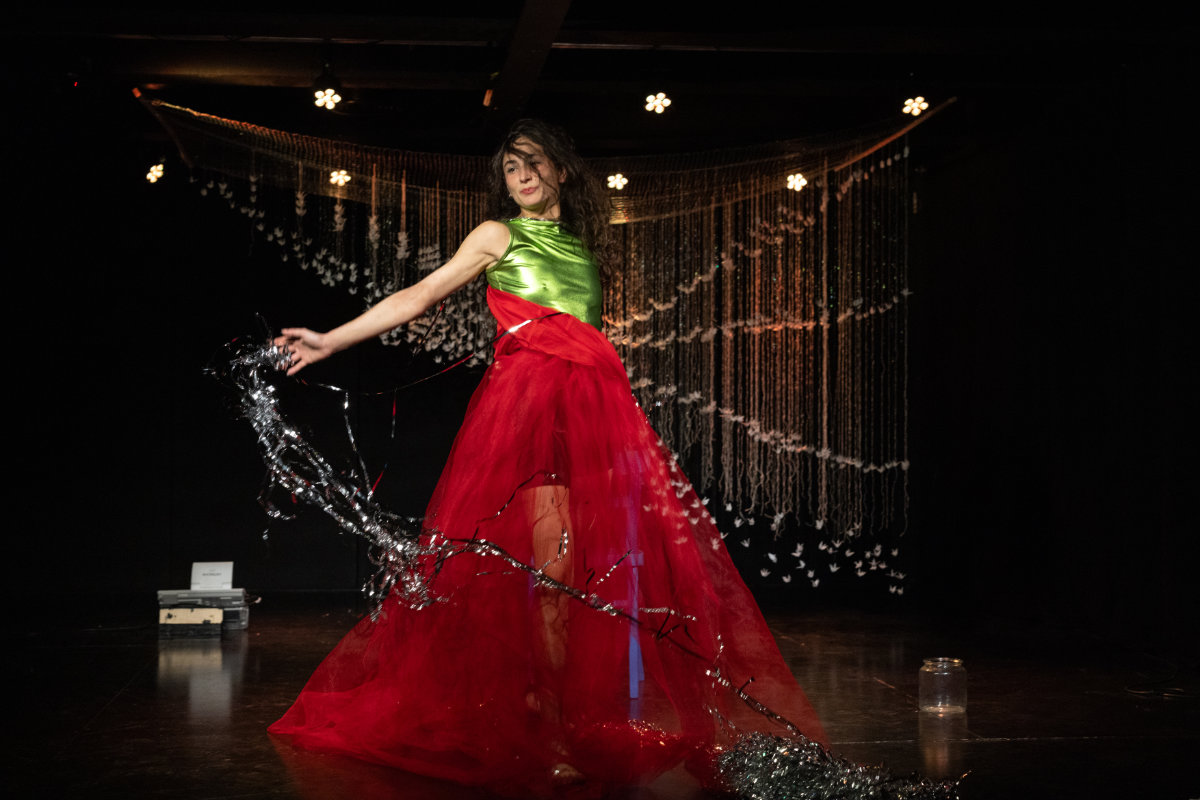
The project invites the spectator to a party in a basement theater, where expectations meet the unexpected, and where emotional striptease expands the space until it becomes one giant stage. But this party breaks and shatters before it even begins – in a cramped space barely big enough to breathe, let alone dance. The main expression of the happening is a scream: for spaces, for filling those spaces, for self-expression, for fun, for crazy creativity. To create something new, you must go somewhere else, open space in your mind, because there is no actual space. A collage of interruptions and surprises, sharp breaks, and shifting roles and spaces pushes the boundaries of the classic stage and creates a dialogue with the audience, as well as with the inner emotions of two female performers, self-employed in culture. Through the party, they search for a place of creative freedom, where they will share and take each other’s breath away.
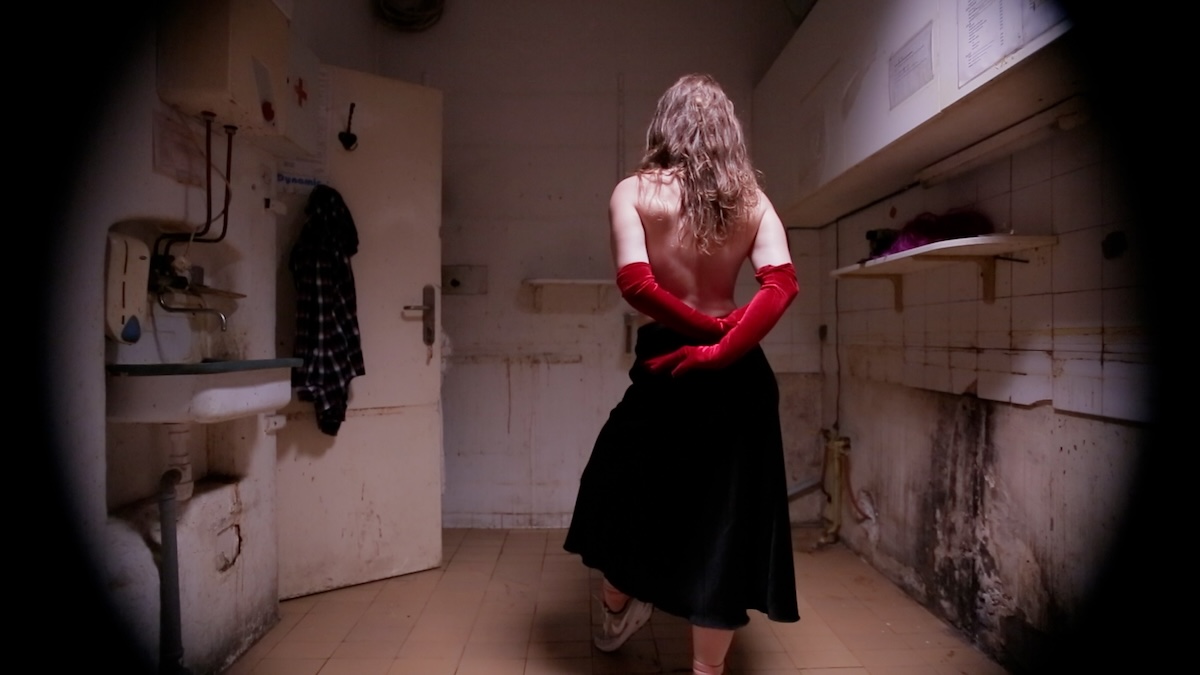
A dazzling and shrieking happening with a vulnerable core, long legs, and high heels, through a collaged cabaret form, embraces the entire world of pleasure and risk. Different themes continuously intertwine, and each intervention creates fresh connections, tensions, and relationships. The theater space at this party is but a fleeting moment: glasses touch, bodies connect, and the ecstasy of the party explodes into a scream. The emotional striptease of the two performers retreats backstage, where they can speak and dance out everything. There are no boundaries – only the need for expression, for filling the voids, and for complete freedom, which relentlessly pushes them forward, into the darkness of the theater.
Surprise bag unfolds as an introspective fairy tale, placing several creators in the act of sharing. The performers enter a world already filled with other expressions and stories; they share the space with young visual artists, whose exhibition and set design create endless echoes and new relationships between the works and bodies.
Photo gallery




TWISTER
Concept and choreography:
Urška Centa
Co-authorship and performance:
Urška Centa, Kristýna Peldová
Outside eye:
Tina Habun
Music and sound design:
Domen Novak
Costume design and Photography:
Hana Podvršič
Graphic design:
Rok Marinšek
Production:
NEST Institute
In collaboration with:
Galerija Vžigalica (MGML) and Keiko Miyazaki
Partner:
Contemporary Dance Association of Slovenia
The project is supported by the Ministry of culture RS and the Municipality of Ljubljana.
Premiere date and venue: April 2025, Vžigalica Gallery, Ljubljana
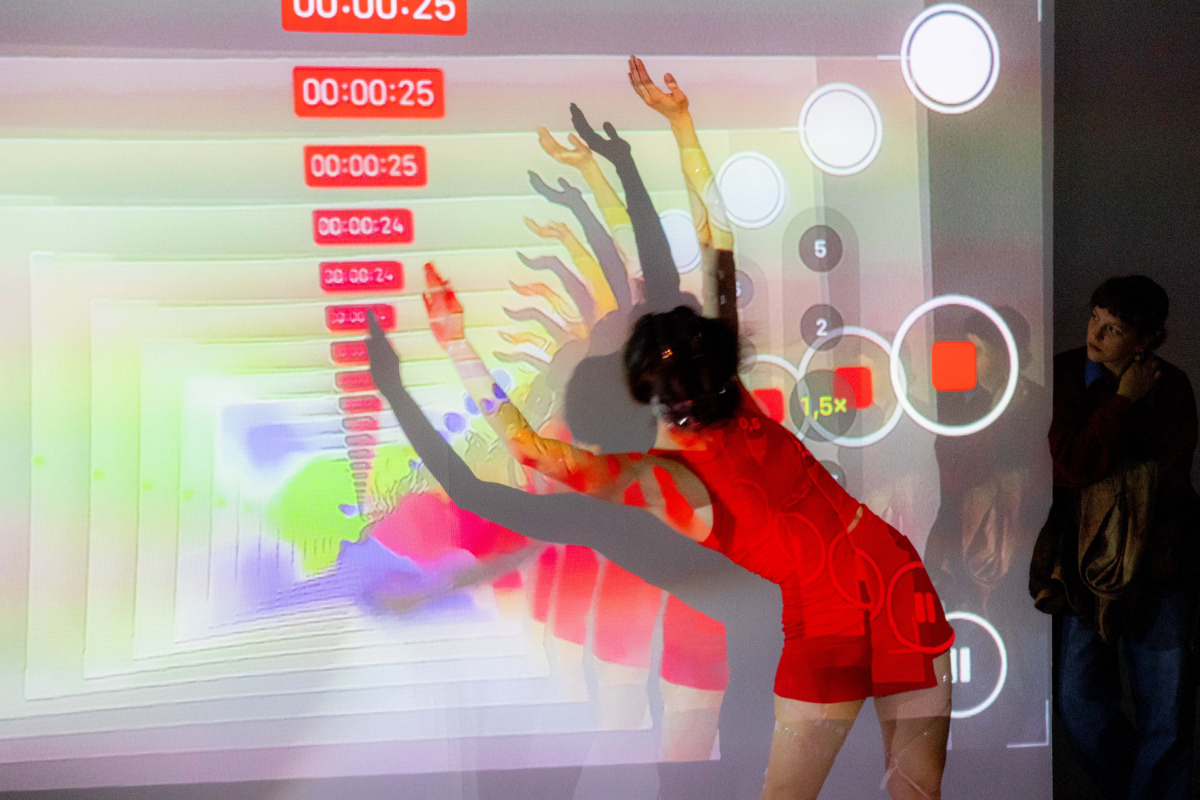
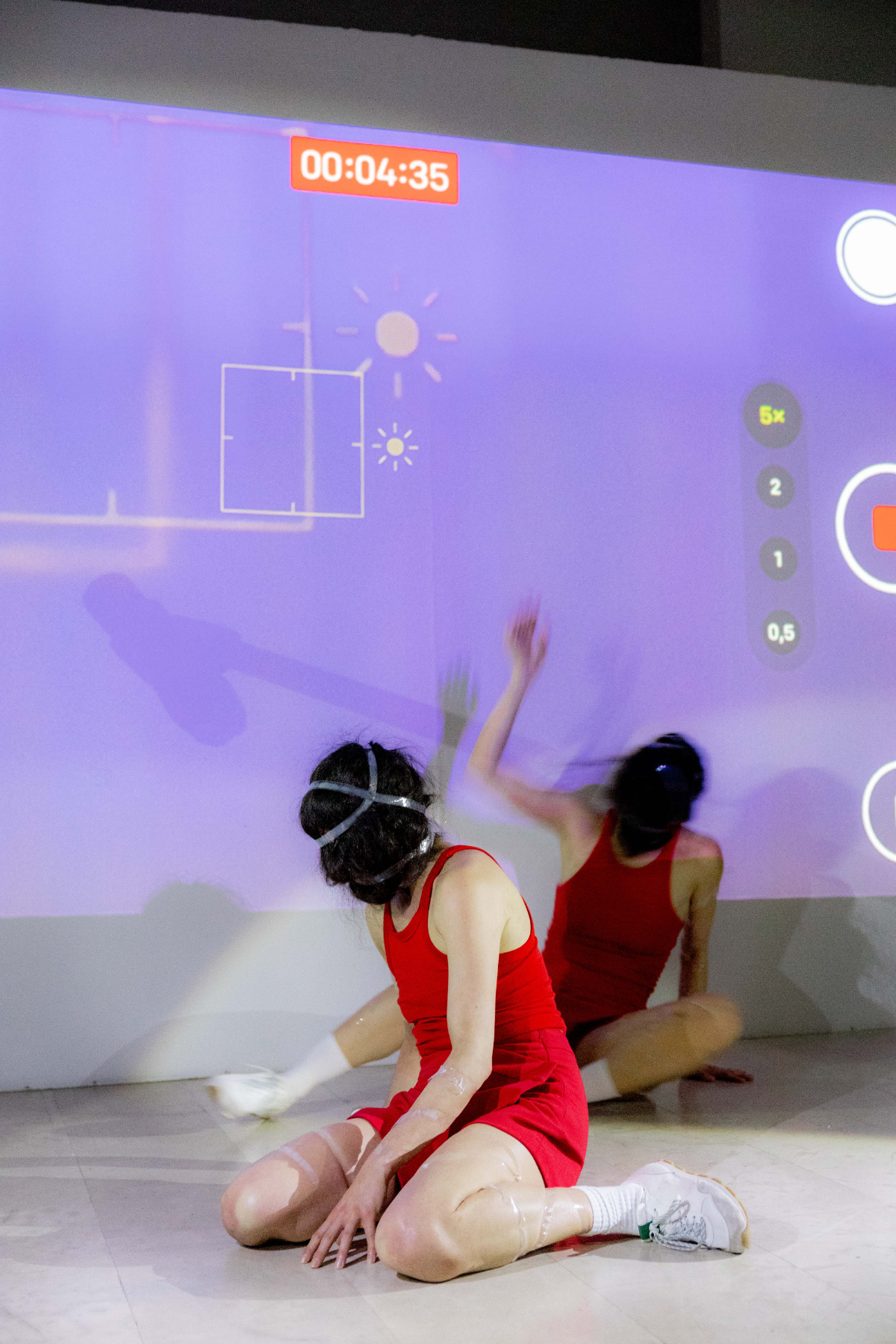
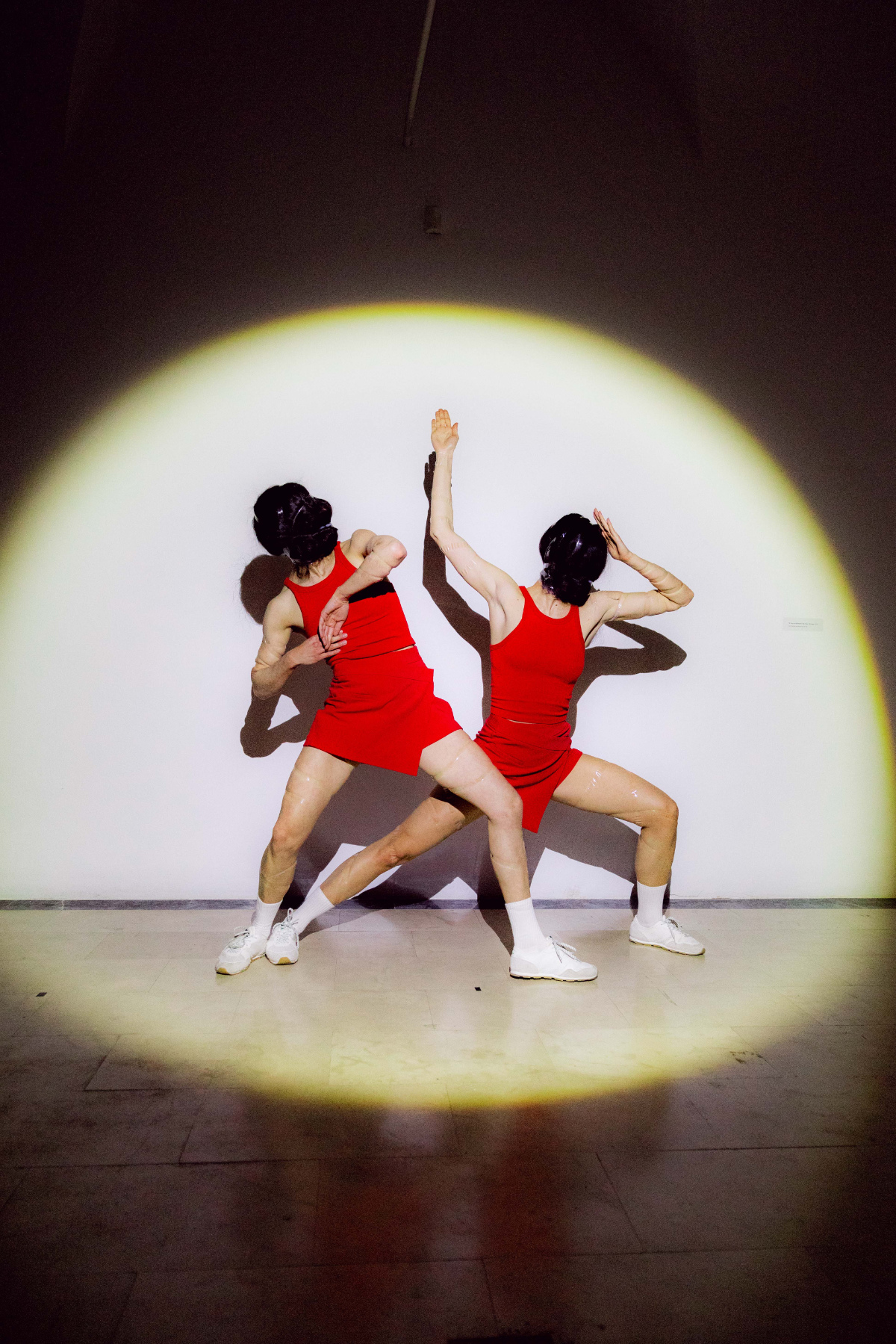
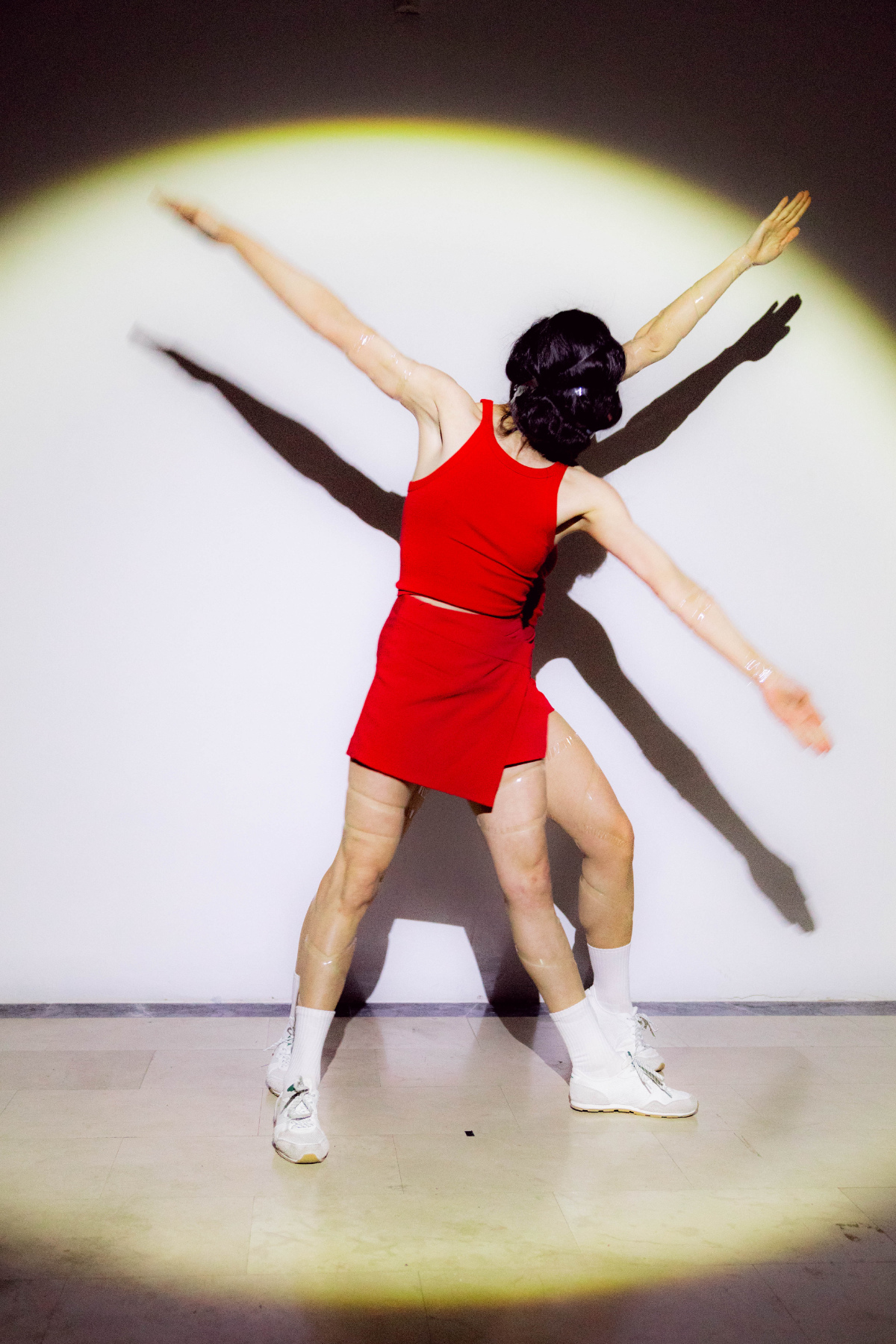
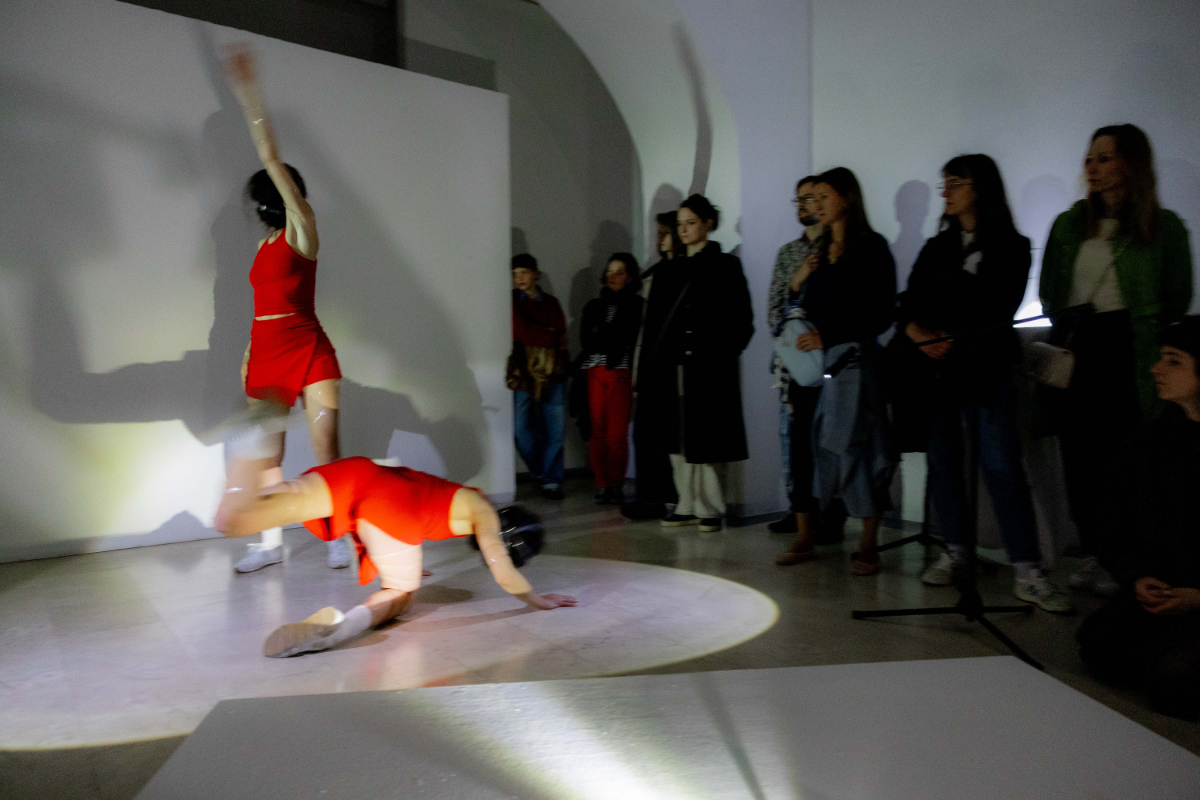
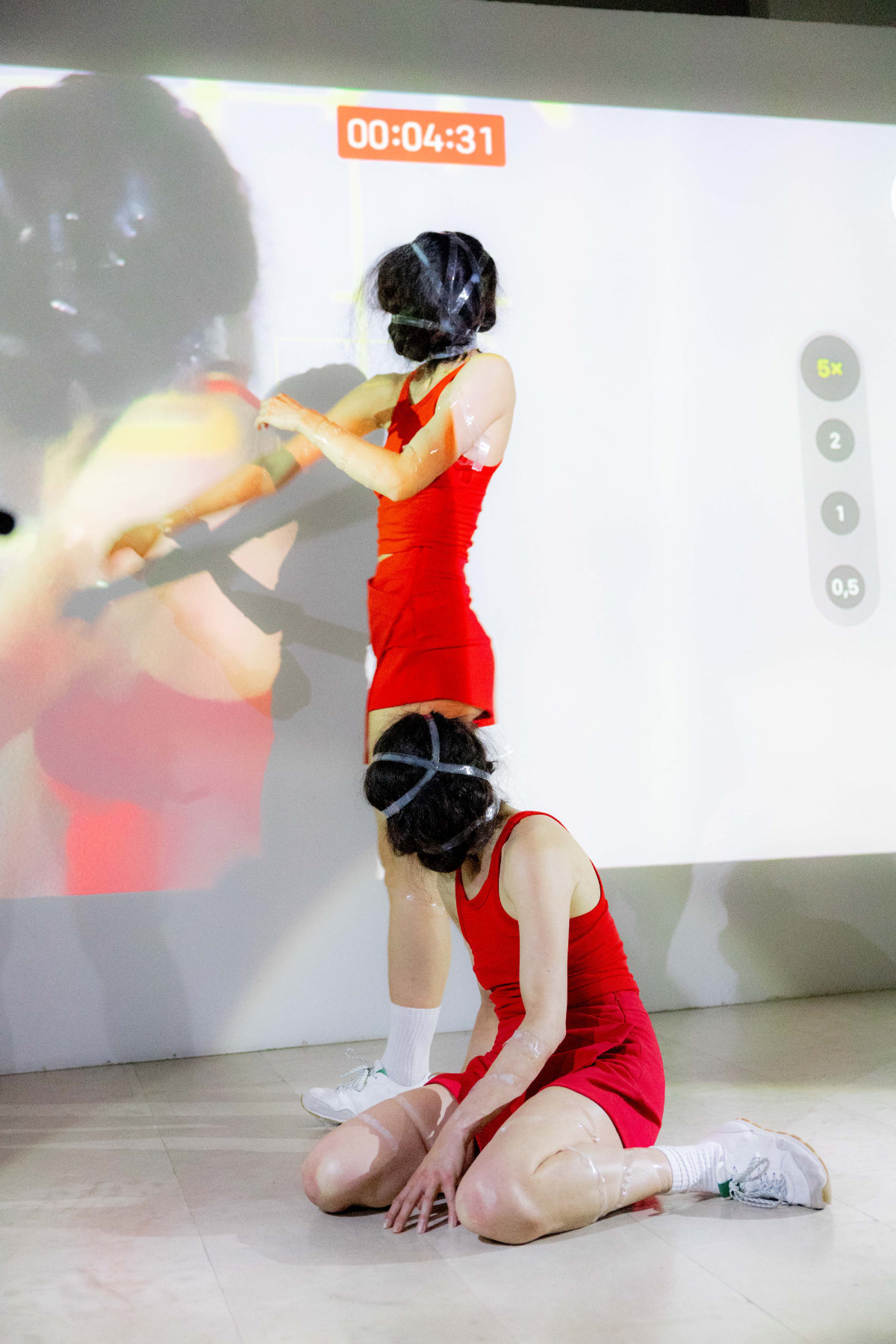
The trilogy Anthology of a scream continues its exploration of the spatial precarity of the independent dance artist—physical, conceptual, and existential. Twister, conceived as a choreographic performance, enters a gallery space dedicated to visual art as a consequence of the chronic underfunding of independent performing arts. On this occasion, the work of NEST collective intertwined with the exhibition Love does not pay the rent by visual artist Keiko Miyazaki, confronting the need to adapt its own practice while questioning its subversive potential within a space to which it does not inherently belong.
Two faceless bodies circle endlessly, searching for their own value, weight, and strength. In the name of love for their work, they are prepared to invest themselves entirely—to surrender completely, to place themselves fully at the service of their vocation, to exhaust themselves for their profession. Their identity is irrelevant; what matters is the meaning they derive from what they love. It is worthwhile, for only in this way can they exist.
They propel themselves forward, defying natural laws and the system in which they operate—two bodies refusing the dictate of transience. A perpetuum mobile reveals itself in uninterrupted motion: despite exhaustion, there is no escape from the necessity of movement; despite emptiness, no escape from the compulsion to create; despite the urge to reveal, no escape from the need to conceal one’s own wounds. They are in constant pursuit of rediscovering love for themselves. Their exhaustion lives through paradox and becomes, as such, a mode of resistance. They entangle themselves with full force, careful not to slip on unstable ground, having learned that doubt leads to falling. One must simply gather strength, accept the game, and spin the top that may carry them toward ecstatic play and the promise of a success story.
At Galerija Vžigalica, a duet between two performers unfolds in a respectful relationship with the space that sustains their existence. They enter into dialogue with the exhibition while, through its constraints, seeking new forms of liberation and endurance. The physical and metaphorical sharing of space becomes an opportunity for new creative challenges and the establishment of a dynamic performative environment in which exhibition and performance continuously intersect, merge, and diverge—addressing new audiences in the process.
Anthology of a scream II: Twister embodies the force of resistance against invisibility, spatial deprivation, and the perpetual confrontation with the limits of one’s own artistic endurance in dance-making.
Photo gallery



AFTERPARTY
Concept:
Kristýna Peldová
Choreography, co-authorship, and performance:
Tina Habun, Urška Centa, Kristýna Peldová
Camera:
Enya Belak, Sašo Štih, Borut Bučinel
Editing and post-production:
Enya Belak, Borut Bučinel
Music:
Eduardo Raon, Kristijan Krajnčan
Video installation:
Enya Belak & NEST collective
Production:
NEST Institute
The project is supported by the Ministry of culture RS and the Municipality of Ljubljana.
Premiere date and venue: December 2025, Cirkulacija2, Ljubljana
Afterparty concludes the trilogy by returning to the joy of creation as a form of work—to movement as freedom and to art as an unlimited space that can be transferred from the physical into other forms of manifestation. The project offers insight into contemporary artistic practice under precarious conditions, through abstraction, playfulness, and imagination. The research shifts into the audiovisual field and examines how the camera, environment, and music reshape the image of performative presence, how the living body imprints itself onto film, and how film transforms that imprint. Here, the camera does not function merely as a tool of documentation, but above all as an equal co-creator of the performative moment, altering the rhythm, perspective, and meaning of movement and opening new dimensions of physical and imaginative action.
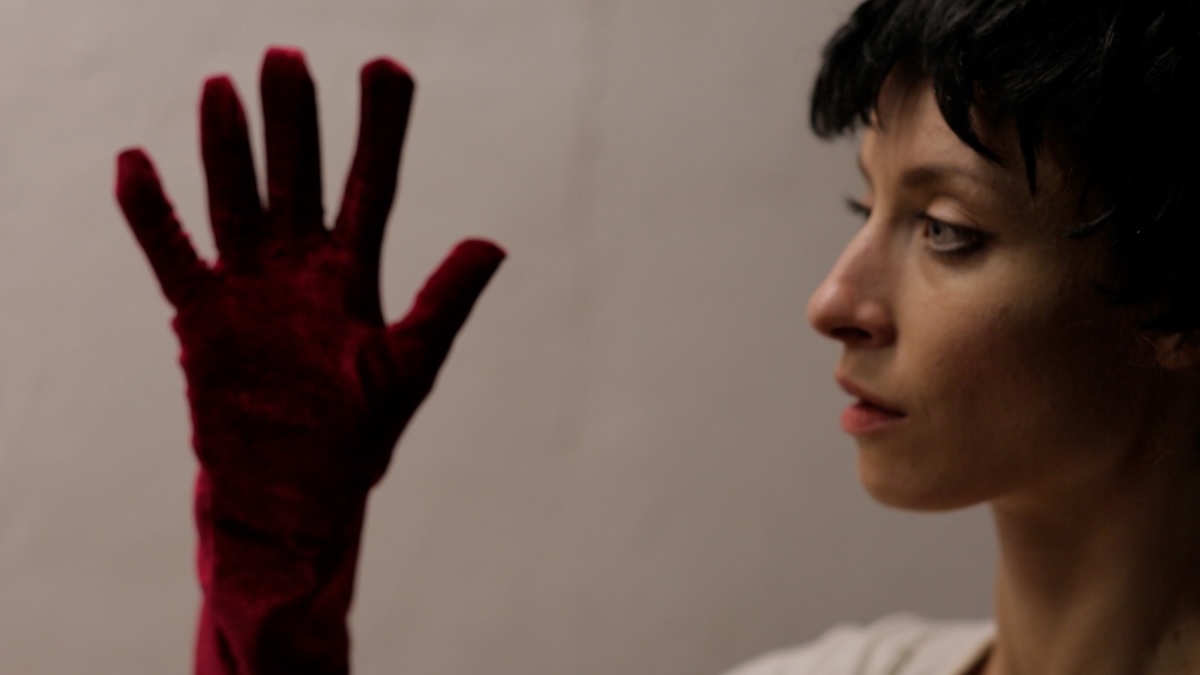
Filming took place at various locations around Ljubljana, whose specific qualities the performers explored through improvisation in relation to materials and motifs from the previous parts of the trilogy. The result is two experimental films that together create a multilayered study of the transition between the living body and its cinematic image. The first, a feature-length film by Enya Belak, employs a collage structure, layered imagery, and visual experiments that transform choreographic logic into cinematic form. The second, a short auteur film by Borut Bučinela, offers the author’s autonomous perspective on the body, process, and space.
The trilogy, which arose from the need to reflect on uncertainty, economic fragility, and the persistent lack of creative space, in its final part Afterparty moves away from critique and unites body, camera, and space into a single organism, whose gestures, images, and sounds explore the image of artistic freedom—a freedom that can also emerge where physical space is absent.
As part of the evening, an open discussion with the creators of the trilogy will also take place. After two years of research and creative processes, it will offer a space for sharing experiences, mutual reflection, and questions from the audience. The aim of the discussion is to enable a collective reflection among independent cultural practitioners and a dialogue on the themes that emerged throughout the trilogy. The evening will conclude with music, celebration, and socializing, connecting the artistic presentation with informal exchange and the joy of sharing time together.